Category
Why A Half-Day Mushroom Foraging Tour In Slovenia’s Forests Is Popular
A mushroom foraging tour in Slovenia looks peaceful in photos, but the real thing is slower, wetter, and more physical than you expect. You won't find perfect porcini in twenty minutes. Instead, you follow a local guide into damp forest, scan the ground, learn which mushrooms to leave alone, and accept that nature does not run on a tour schedule.
Slovenia makes sense for this kind of trip because forests cover much of the country, and mushroom picking is part of daily life for many families. The experience is popular because it feels local without being staged, especially in autumn when markets, home kitchens, and rural inns all seem to revolve around fresh fungi.
Still, the best tours are not cheap, and the value depends on your fitness, curiosity, season, and your willingness to follow strict rules.
What It Really Feels Like to Forage for Mushrooms in Slovenia
A Slovenia mushroom tour is a slow, muddy treasure hunt in damp forest.
Pokljuka Plateau Is The Classic Forest Setting
If you picture Slovenia mushroom picking, you are probably thinking of the Pokljuka Plateau near Lake Bled. It has dense spruce woods, cool air, mossy ground, and the kind of quiet that makes every snapped twig sound louder than it should.
Many travelers combine a Lake Bled stay with a Pokljuka mushroom foraging trip because the drive is manageable, usually around thirty to forty minutes depending on where you start.
The appeal is obvious once you step out of the vehicle. The forest floor is thick with needles, roots, low shrubs, and decaying timber. It feels wild enough to be satisfying, but not so remote that you need full expedition planning. A good guide will slow the group down almost immediately. Instead of marching, you move in short bursts, stop often, crouch, compare caps and stems, and learn why one patch of trees produces more than another.
The effort level is moderate, but the movement is awkward. Foraging uses your lower back, knees, ankles, and patience. You may spend three or four hours leaning forward, stepping over slick roots, and moving across uneven ground. Waterproof hiking shoes matter more than stylish outdoor clothing. Thin city sneakers become useless after the first wet slope.
This tour suits travelers who enjoy quiet concentration and do not mind getting muddy. It is less ideal for anyone who wants a scenic walk with guaranteed food rewards. Mushroom seasons shift with rain and temperature, so a dry week can turn even a well-planned tour into more of a woodland lesson than a productive harvest.
Ljubljana-Area Foraging Is Easier But Less Remote
Travelers staying in the capital often look for guided foraging Ljubljana options because they do not want to spend half the day reaching the mountains. Forests and marshland areas south of Ljubljana, including zones near Ig and the Ljubljana Marshes, can work well for a softer introduction. The terrain tends to be flatter, and the time commitment is easier to fit around city plans.
The downside is competition. Local residents know these woods, and many start early. If your tour begins at 10 a.m. after a relaxed hotel breakfast, do not expect untouched mushroom patches. A sunrise or early morning start is much better, especially during autumn weekends.
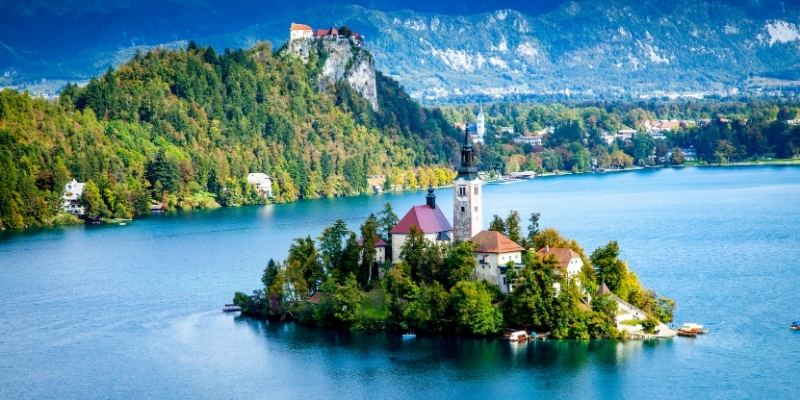
A Ljubljana-based wild food tour Slovenia experience is often more educational than high-yield. You may cover edible plants, medicinal fungi, forest rules, and basic identification. For families or older travelers, that can be the better format. It feels less demanding, and you still get the cultural side without a long transfer.
Soča Valley And Bovec Feel More Adventurous
Around Bovec and the Soča Valley, foraging tours often attract travelers who are already planning outdoor activities. The scenery is sharper, with mountain roads, river valleys, and mixed forest. A Bovec foraging experience may cost slightly less than a premium Lake Bled outing, though pricing varies by guide, group size, transport, and whether food is included.
Expect more logistics here. Public transport is thinner, so a rental car helps. Weather can change quickly, and trails may be damp even when the village feels sunny. The reward is fewer crowds than the Bled area and a stronger sense of being in rural Slovenia instead of on a popular day-trip route.
What to Know Before You Book: Price, Rules, Season, and Effort
Before booking, check the guide’s pickup point, legal picking limits, recent rainfall, group size, and whether lunch is included.
What You Usually Pay For A Half-Day Tour
A half-day mushroom foraging tour Slovenia travelers book through small operators usually costs around €100 to €170 per person. Cheaper options may be walking-only group tours near Ljubljana. Higher-end trips often include private guiding, transport from Bled or Ljubljana, a forest lunch, or a cooking element.
Where people overspend is assuming every expensive tour includes the same things. Always check the details before paying.
| Item to Check |
Why It Matters |
| Transport |
Rural meeting points can be costly to reach by taxi |
| Group size |
Smaller groups get better identification help |
| Food included |
A cooked lunch can justify a higher price |
| Basket and knife |
Some tours lend gear, others expect you to bring it |
| Rain policy |
Light rain can improve foraging, storms may cancel |
| Language |
Not every excellent local guide runs tours in English |
If you already have a rental car and enjoy self-guided walks, a paid tour is not always necessary. What you are really buying is local knowledge, safety, and legal confidence. That is valuable if you are new to European fungi.
Slovenia Forest Rules Are Not Optional
Slovenia has clear limits on wild mushroom picking. Personal collection is generally capped at 2 kilograms per person per day, and mushrooms should be cleaned roughly where they are picked so spores remain in the forest. Use a breathable basket, not a sealed plastic bag. This keeps mushrooms in better condition and supports spore dispersal.
Protected species and park restrictions matter, especially near sensitive landscapes. Before visiting mountain areas, check official guidance from Triglav National Park and the Slovenia Forest Service. For broader trip planning, I Feel Slovenia is useful for seasonal tourism information, while Slovenian Railways helps if you are planning car-free travel.
A guide earns their fee when identification gets complicated. Toxic look-alikes are not rare curiosities. They are part of the landscape. Even experienced locals separate uncertain mushrooms carefully. A responsible guide will tell you not to taste or cook anything unless identification is firm.
Best Season And Time Of Day
The main mushroom season usually runs from late summer into autumn, with September and October often giving the strongest results after rain. Spring can bring different species, but it is less predictable for casual travelers. Summer tours depend heavily on storms. A dry spell can leave the forest beautiful but nearly empty.
Early morning is the best time. You avoid some heat, beat local competition, and see the forest before trails get busy. In popular areas near Bled, weekends can feel surprisingly active during a strong mushroom period. If you want calm, choose a weekday and book a small group.
Weather is part of the decision. Light rain and damp ground are good. Heavy rain, thunder, or strong wind can make the experience unpleasant and less safe. Bring a packable rain jacket, warm layer, water, and a small snack. Even a half-day tour can feel long if you are cold and hungry.
Who Should Book, And Who Should Skip It
Book a guided mushroom foraging tour if you like food, nature, and slow observation. It is especially good for travelers who have already seen Lake Bled, Ljubljana, or the Soča Valley and want an activity that feels connected to local habits instead of a queue or viewpoint.
It may not be worth the cost if you need guaranteed results. No honest guide can promise a basket full of porcini. It is also a poor match for travelers with limited mobility, weak ankles, or no interest in learning plant and mushroom details.
Cheaper alternatives work well in some cases. You can visit a local market, ask about seasonal mushrooms, and eat a traditional mushroom dish at a rural restaurant. You will miss the forest lesson, but you may save money and avoid a physically tiring morning.
The best choice is simple: choose Pokljuka if you want the classic alpine forest experience, choose Ljubljana-area foraging if you need easier logistics, and choose Bovec or the Soča Valley if you prefer a quieter outdoor base. Reserve autumn tours early, confirm transport before paying, and keep expectations realistic. The real reward is not always the size of the harvest. It is learning how Slovenes read the forest, why they protect it, and how much attention it takes to gather food safely.
Was this helpful? Share your thoughts
- Learned practical methods
- Solved my questions
- Inspired new ideas
Editor's Picks
-
![25 Unique Things To Do In London: Quirky, Fun&Totally Unexpected]() 25 Unique Things To Do In London: Quirky, Fun&Totally Unexpected
25 Unique Things To Do In London: Quirky, Fun&Totally Unexpected -
Everyone thinks they know London. Big Ben, Buckingham Palace, the red phone booth and the double-decker bus selfie. Cute, sure. However, you did not come all this way to check boxes on the London list. Everyone has been there, done that. But you should want to know about the unique things to do in London. Things that are hidden gems of London. Things that make your friends say, “Wait, you did WHAT in London?”
Explore More
-
![The Ultimate Guide To Italy Food Tours For An Unforgettable Journey]() The Ultimate Guide To Italy Food Tours For An Unforgettable Journey
The Ultimate Guide To Italy Food Tours For An Unforgettable Journey -
Italy stands as a global beacon for culinary excellence, drawing millions with its rich traditions and diverse flavours. This guide explores Italian food tours in depth, offering insights into why these experiences captivate travellers worldwide.
Explore More
Don't Miss


Share This Article