Category
Business Travel Explained Definition, Benefits, Costs, and Planning Tips
Business travel refers to trips taken for professional purposes instead of personal vacations. It includes activities such as meeting clients, attending conferences, participating in training programs, visiting business locations, and representing a company at professional events.
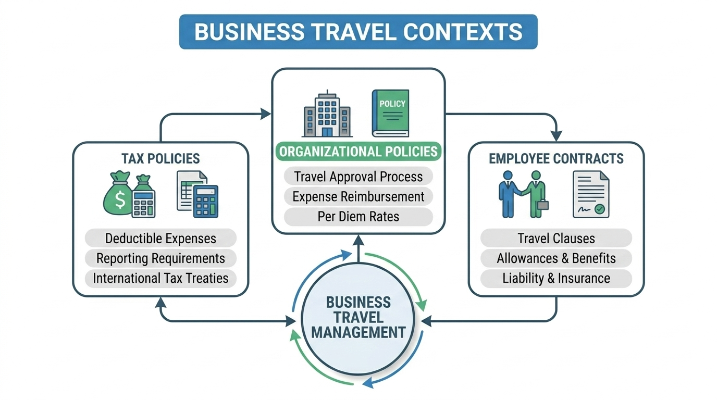
While the basic idea of business travel is similar across industries, what qualifies as business travel may depend on the situation. Company travel policies, tax rules, insurance requirements, and immigration regulations may define eligible business trips differently. Understanding these differences helps employees and organizations plan trips properly, manage expenses, and meet compliance requirements.
Why Business Travel Matters
Business travel constitutes trips undertaken by employees for work-related purposes, fundamental for helping organizations achieve operational goals. It plays a vital role in fostering networking opportunities, allowing employees to connect with potential clients, industry partners, and peers. Through face-to-face meetings and participation in trade shows or conferences, business travel facilitates sales and drives company growth.
Additionally, these trips strengthen existing client relationships, demonstrating a company's commitment to personal interaction and superior service. The significance of business travel goes beyond immediate objectives, as it supports professional development through exposure to new markets and insights. As employees return from their travels equipped with fresh ideas and perspectives, productivity is inevitably enhanced, making business travel a valuable investment for organizations striving for success within a competitive marketplace.
Common Types of Business Travel
Business travel manifests in many forms, each tailored to meet specific organizational needs. Client meetings often necessitate traveling to a client’s location for contract discussions or project updates, fostering a stronger business relationship through direct interaction. Conferences represent another prevalent scenario where employees travel to industry events to expand their networks, share insights, and learn about emerging trends and challenges. Training sessions may require travel to help employees acquire new certifications or skills in specific areas, promoting professional growth and adaptability to changes within the industry.
Site visits enable teams to observe operations or installations firsthand, ensuring alignment with project specifications. During project work, teams may travel to collaborate on tasks needing on-site contributions. Likewise, sales calls involve strategists traveling to meet potential clients face-to-face to pitch products or services, a crucial element for revenue generation. Lastly, internal meetings may require travel when employees from different locations come together to brainstorm or strategize on key initiatives, promoting coherence and teamwork across distances.
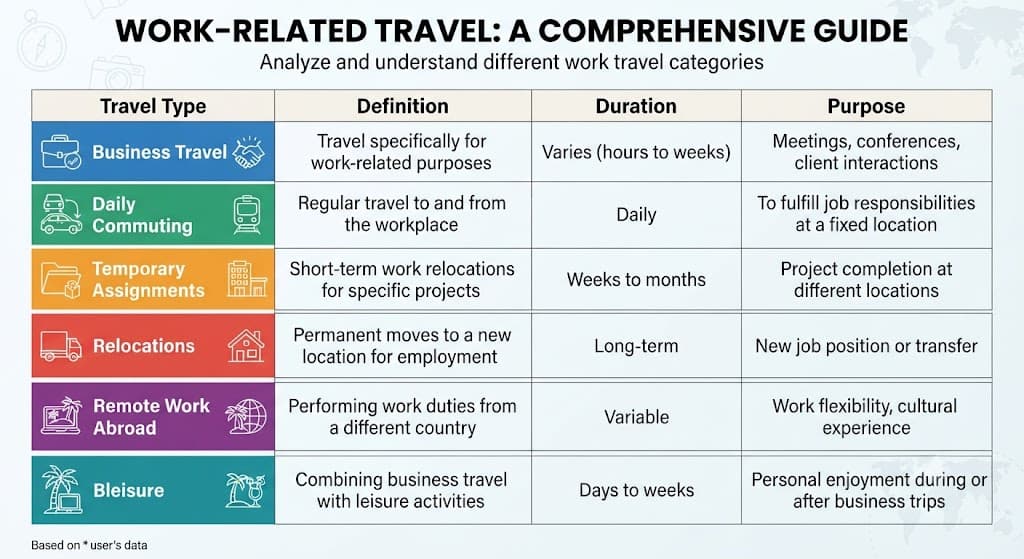
Understanding the distinctions between business travel and related travel types is crucial for effective management. Each travel type serves distinct purposes and has different implications for both employees and organizations. For example, recognizing the temporary nature of assignments or the unique focus of bleisure travel can help companies tailor their travel policies, ensuring comprehensive support for travelers while maximizing productivity and prioritizing employee well-being. Awareness of these differences allows businesses to optimize expenses and enhance employee satisfaction during their travels.
The Business Travel Process: From Planning to Completion
The business-travel lifecycle consists of several stages that ensure an efficient and well-managed travel experience for employees. Each phase contributes significantly to minimizing stress and maximizing productivity.
- Request: The process begins when an employee identifies the need to travel for business. Clear communication is essential as travelers must articulate the purpose, dates, and estimated costs of the trip.
- Approval: After submitting a request, managers review the travel necessity and alignment with budgetary constraints. An efficient approval system is vital; delays can adversely affect planning and the availability of necessary arrangements, particularly for flights or accommodations.
- Booking: Following approval, the booking phase commences. Organizations should encourage the use of corporate travel agencies or platforms to secure the best rates and manage itineraries effectively.
- Duty of Care: This stage emphasizes the employer’s responsibility to ensure traveler safety. Providing real-time travel updates and emergency contacts can alleviate employee concerns while on the road.
- Trip Support: Curating support during the trip for unforeseen events like cancellations or emergencies ensures employees feel supported and secure.
- Expense Reporting: After the trip concludes, employees submit claims for reimbursement of expenses incurred. A streamlined process utilizing mobile apps can reduce errors and improve tracking efficiency.
- Post-Trip Review: Finally, evaluating the trip against expectations helps refine future travel policies and identify areas for improvement. Gathering feedback regarding traveler experiences aids in maintaining an effective travel management program.
By understanding and optimizing each stage of the business-travel lifecycle, organizations can facilitate smoother transitions and ensure employee satisfaction throughout their journeys.
Key Elements of Business Travel Management
Managing business travel encompasses multiple essential dimensions, each contributing significantly to effective travel management.
Travel Policy: A well-defined travel policy establishes the standards for booking and expenses. For example, corporations may mandate the use of specific airlines and hotels to ensure consistent quality and to control costs. This helps mitigate discrepancies in spending limits and enhances compliance with corporate regulations.
Preferred Suppliers: Choosing preferred suppliers enables organizations to negotiate better rates and advantageous packages. For instance, utilizing the same hotel chain for corporate trips can yield discounts and loyalty points, translating into overall savings.
Budgets: Establishing predefined budgets facilitates effective management of financial resources. An example could involve limiting accommodation expenses to a specific amount, thereby ensuring cost control while maintaining comfort for travelers.
Payment Processes: Implementing streamlined payment systems, such as corporate cards, simplifies transactions and grants a clearer overview of expenditures, reducing the burden on travelers to utilize out-of-pocket funds.
Expense Receipts and Per Diem Calculations: Accurate record-keeping through receipts and delineated per diem structures simplifies reimbursement processes and clarifies spending standards. For instance, setting daily allowances based on destination ensures that travelers are adequately compensated without risking overspending.
Risk Management: Addressing risk involves properly training employees in travel safety and emergency procedures. For example, ensuring employees download safety applications or have access to emergency contacts enhances risk mitigation strategies during travel.
Sustainability in Travel Practices: Embracing eco-friendly practices, such as selecting carbon-neutral flights, is becoming increasingly vital. Organizations that prioritize sustainability resonate with modern values while attracting environmentally conscious clients.
Each facet plays an important role in successful business travel management, achieving efficiency, compliance, and employee satisfaction.
How to Stay Safe During Business Trips
Organizations hold a critical duty of care regarding employee safety during business travel. This responsibility extends beyond mere compliance with regulations; it incorporates comprehensive risk management strategies designed to protect employees before, during, and after their travels. Companies should conduct thorough risk assessments identifying potential hazards specific to various destinations, integrating measures like travel advisories and health information tailored for travelers.
Accessibility is another pivotal element. Businesses must ensure that all employees, regardless of physical abilities, can participate in business travel comfortably. This might necessitate selecting accommodations with accessibility features and providing necessary resources or assistance. For instance, research indicates that approximately 18% of working-age Americans have disabilities, underscoring the importance of inclusive travel planning.
Furthermore, an emphasis on well-being significantly enhances traveler experiences. Companies might offer wellness programs, mental health resources, and flexible travel arrangements considerate of individual needs. According to a recent survey, nearly 70% of employees reported that employer support enhances their travel experiences. By prioritizing safety, accessibility, and well-being, organizations not only comply with legal requirements but also foster a culture of care that enhances employee morale and overall productivity.
What Is Bleisure Travel and Why Is It Growing?
Bleisure travel, which blends business with leisure, is gaining popularity among professionals keen on enhancing their work trips with personal enjoyment. Employees frequently extend their stays to explore new destinations, prompting organizations to implement clear policies distinguishing between business and personal expenses. Companies should establish guidelines detailing which costs are eligible for reimbursement, encouraging travelers to maintain accurate records of expenses incurred during bleisure periods. Moreover, educating employees on acceptable leisure activities and budgeting can prevent misunderstandings. Clarity in these policies is essential; it protects the company financially and cultivates trust and satisfaction among employees. By embracing the trend of bleisure travel while clearly outlining expense boundaries, organizations can support work-life integration, ultimately leading to more engaged and productive employees.
Business Travel Checklist: What to Prepare Before Your Trip
For First-Time Business Travelers:
- Documentation: Ensure your passport and travel insurance are current.
- Packing Essentials: Pack suitable business attire, chargers, and necessary tech gadgets.
- Travel Itinerary: Familiarize yourself with flight times, hotel bookings, and meeting locations.
- Health Precautions: Keep prescribed medications on hand and understand local health guidelines.
- Budgeting: Track daily expenses and familiarize yourself with per diem allowances.
- Cultural Awareness: Research customs and etiquette specific to your destination.
For Managers:
- Travel Policy: Clearly outline corporate travel guidelines, including booking processes and expense limits.
- Employee Responsibilities: Ensure travelers are aware of their roles, including reporting obligations and compliance requirements.
- Support Systems: Provide a reliable point of contact for assistance during travel emergencies.
- Feedback Mechanism: Encourage employees to share their travel experiences to inform policy improvements.
- Sustainability Initiatives: Consider eco-friendly travel options and advocate for responsible travel choices.
Final Tips for Successful Business Travel
Effective business travel requires more than booking flights and accommodations. Careful planning, clear company policies, expense management, and safety preparation all contribute to smoother and more productive trips.
By understanding different types of business travel and following practical preparation steps, employees and organizations can reduce challenges and make better use of each trip. A well-planned business journey helps professionals stay focused on their goals while allowing companies to manage costs and support employee needs.
Was this helpful? Share your thoughts
- Learned practical methods
- Solved my questions
- Inspired new ideas
Editor's Picks
-
![15 Best Solo Female Travel Destinations Worldwide 2025]() 15 Best Solo Female Travel Destinations Worldwide 2025
15 Best Solo Female Travel Destinations Worldwide 2025 -
Travelling alone as a woman is equal parts exciting and nerve-wracking. I remember that feeling the first time I travelled solo. The butterflies before stepping on the plane. The "what if I get lonely?" thoughts. And yes, not to forget the constant question of "is it safe?" Well, all those worries are everyday. But once you leap to one of the best solo female travel destinations in the world, you are already more confident. It spurs joy and displays to you parts of yourself you might never have discovered at home.
Explore More

-
![Best Cheap All-Inclusive Vacation Packages That Feel Luxurious]() Best Cheap All-Inclusive Vacation Packages That Feel Luxurious
Best Cheap All-Inclusive Vacation Packages That Feel Luxurious -
Imagine scrolling through travel sites, dreaming of white-sand beaches and gourmet meals, only to close the tab when prices skyrocket. Many assume luxury means emptying savings accounts, but savvy travellers know better. Cheap all-inclusive vacation packages can deliver upscale experiences without the hefty tags. This guide explores how to find these gems, highlighting destinations, tips, and real examples that make budget trips feel indulgent.
Explore More

Don't Miss




Share This Article