Category
How to Explore Sardinia on a Budget (and Still Swim in Paradise)
Sardinia has a reputation. Yachts, celebrities, eye‑watering prices. And sure, that corner of the island exists. But most of Sardinia isn't that place. The south, the west, the mountain villages, the fishing towns where grandpas play cards in the piazza: these are affordable, welcoming, and often more beautiful than the glossy resort coast. You just need to know when to come and where to look.
Daily Costs in Sardinia
Everyone travels differently, and that’s fine. Your actual spending will depend on whether you’re happy with a tent and street pizza or need a private room and a rental car. Here’s a rough idea of what you might pay per person, not counting your flight to the island.
Budget Backpacker (€50-75/day): Hostel dorms or camping pitches, street food and supermarket picnics, local buses, free beaches, and maybe one paid archaeological site per week.
Mid-Range Traveler (€90-130/day): Private room in a B&B or agriturismo, renting a car for two or three days, a few trattoria dinners with house wine, and entry to places like the Nuraghe Su Nuraxi.
Comfort (€180+/day): Boutique hotel, full-week car rental, daily boat trips to the Maddalena archipelago, seafood dinners overlooking the sea. Totally fine if you have the cash, but not necessary for a great trip.
Find Your Sweet Spot: Timing Is Everything
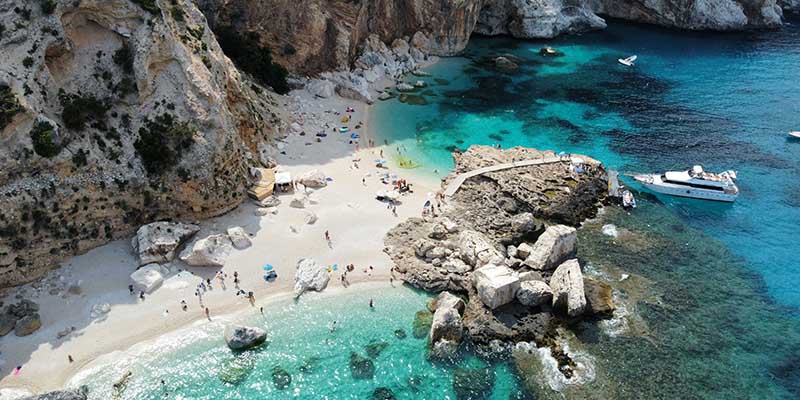
The single biggest factor that determines whether you’ll pay €40 or €140 for a room is the month on your calendar. August in Sardinia is intense: temperatures regularly hit 33°C, the beaches are shoulder-to-shoulder, and accommodation prices can triple. You can still do it on a budget if you book a year ahead, but why fight that fight?
Best Value: May, September & October
The sea is still warm (21-24°C), the summer crowds have thinned out, and room rates drop by 30-40% compared to August. Early October is a hidden gem; the water is still swimmable and the island feels almost empty.
Great for Hiking & Culture: April & June
April brings wildflowers and green hills, perfect for hiking the Gennargentu mountains. June is sunny but not yet scorching, and you can still find decent flight deals.
Cheapest (Winter): November to February
Temperatures range from 8°C to 15°C, so swimming is out unless you’re very brave. But this is the time for cultural travelers. Flights can be 50-60% cheaper, and you’ll have sites like the Roman ruins of Nora almost to yourself.
How to Get There Without Breaking the Bank
Sardinia has three international airports: Cagliari (CAG) in the south, Olbia (OLB) in the northeast, and Alghero (AHO) in the northwest. Olbia is the gateway to the Costa Smeralda, so flights there tend to be pricier. Cagliari and Alghero are almost always cheaper.
Budget airlines like Ryanair, EasyJet, and Volotea connect these airports to Rome, Milan, Barcelona, London, and other European hubs. If you book a few months ahead and travel light, one-way fares can drop as low as €20-€40.
If you’re coming from the US, Canada, or Asia, don’t search for direct flights to Sardinia—there are very few. Instead, find a cheap round-trip to Rome FCO or Milan MXP, then book a separate budget flight to Sardinia. The layover adds a few hours but can save you hundreds of dollars.
Once you land, skip the taxi. Buses from Cagliari airport to the city center cost €2-€4. Olbia airport has a shuttle bus to town for about €5. Alghero’s bus runs around €2.
Getting Around: Buses, Trains, and the Smart Car Trick
Sardinia is about 24,000 square kilometers—it’s not tiny. The best beaches, the most charming hill towns, and the ancient nuraghe towers are scattered across the island. Renting a car for a full week gives you total freedom, but it also gives you costs: €40-€80 per day for the rental, plus expensive fuel (around €1.85/litre), plus parking nightmares in cities like Cagliari and Alghero.
Here’s the smarter way: use public transport for most of your trip, and rent a car for just two or three days to hit the places buses can’t reach.
Trains: Trenitalia runs regional trains along the main routes—Cagliari to Oristano to Sassari to Olbia. Tickets are cheap. Cagliari to Olbia costs around €18 and takes about four hours. The train isn’t fast, but the views of the inland mountains are lovely.
Buses: ARST is the main bus company. It goes to many towns and villages that trains skip, like the Nuraghe Su Nuraxi near Barumini. Download the ARST BusFinder app for real-time schedules. A bus from Cagliari to Barumini costs about €5.
The One-Day Rental: Rent a car from a city office (not the airport, to avoid surcharges) for one to three days. Use it to drive the coastal roads of the south-west, explore the Barbagia region’s mountain villages, or chase hidden coves. Return it and go back to buses.
One serious warning:
ZTL zones (limited traffic areas) exist in Alghero, Cagliari, and several historic centers. Drive in by mistake and you’ll get a €150 fine mailed to your rental company. Pay attention to the red-and-white signs.
Where to Sleep: Agriturismi, Hostels, and a Convent Surprise
You don’t need to stay in a soulless chain hotel to sleep well in Sardinia. Some of the most memorable and affordable lodgings are the ones you’d never find on a typical booking site.
Agriturismo (Farm Stays)
This is the real Sardinian secret. These are working farms—olive groves, sheep pastures, vineyards—that rent out comfortable rooms.
You usually get breakfast included (often fresh ricotta, honey, and bread from the farm), and many offer dinner for an extra €15-€20. A double room in an agriturismo can cost as little as €35-€60 per night, especially if you’re traveling in the shoulder season.
Hostels
In bigger towns like Cagliari, Alghero, and Olbia, hostel beds go for around €25-€35 a night. Some have private rooms for €50-€60.
Camping
From May to September, camping is a fantastic budget option. Sardinia has many well-run campsites near beaches, often with small bungalows if you don’t have a tent. A tent pitch costs €10-€20 per night. Add €5 for hot showers and electricity.
Convent stays
Like Sicily, Sardinia has religious institutes that rent simple rooms to travelers. In Alghero, for example, the Suore Carmelitane convent offers basic doubles for around €40 a night. It’s quiet, safe, and usually central. Search for “foresteria religiosa Sardegna” to find them.
Eating Like a Local on a Street Food Budget
Sardinian food is rustic, hearty, and delicious. You can absolutely blow your budget on a multi-course seafood feast overlooking the harbor—and maybe you should, once. But for everyday eating, follow the locals.
The €5-€7 Meal
Street food is your best friend. Look for pizza al taglio (pizza by the slice, €2-€3), panini stuffed with porceddu (roast suckling pig) or salami and cheese (€4-€6), and pane carasau (thin, crispy flatbread) with local olives.
In Cagliari, the San Benedetto market has stalls selling fresh sandwiches for pocket change.
The Cheap Sit-Down Lunch
Find a trattoria or a pizzeria. A margherita pizza costs €6-€10. A plate of pasta—try culurgiones (hand-folded pasta filled with ricotta and mint) or malloreddus (little gnocchi-like pasta in tomato and sausage sauce)—runs €8-€12.
The Aperitivo Dinner
From about 7 PM to 9 PM, many bars offer an aperitivo: buy a drink (€8-€10) and get access to a buffet of snacks—olives, bruschetta, small sandwiches, sometimes pasta or frittata. It can easily replace a full dinner.
Pro tip:
If you’re staying somewhere with a kitchen, many agriturismi and hostels have one. Visit a supermarket like Lidl, Conad, or Eurospin. Buy fresh pasta (€2), a jar of pesto or tomato sauce (€1.50), bread (€1), and a piece of local pecorino cheese (€3). That’s a dinner for two for under €8.
Experience the Island with Money-Saving Resources
The best way to save money is to plan your own transport and not rely on tours. These official sites and apps will help you do exactly that.
Trenitalia (trains): www.trenitalia.com
Use the “Regional” tab for the cheapest fares. Buy tickets on the app or at station kiosks.
ARST (buses): www.arst.sardegna.it
The official site for intercity and local buses. Also download the ARST BusFinder app for live schedules.
Car rentals
For short rentals (2-3 days), use comparison sites like DiscoverCars or Rentalcars, but always check the insurance terms. Paying an extra €10-15 a day for full coverage is usually worth it.
Free and Cheap Activities for Your Itinerary
You don’t need expensive boat tours and guided hikes to fall in love with Sardinia. Some of the best experiences cost almost nothing.
Wander the open-air museum of a hilltop village. Towns like Bosa, Castelsardo, and Orgosolo are free to explore. Orgosolo is famous for its political murals painted on every wall—it’s like walking through a living art gallery.
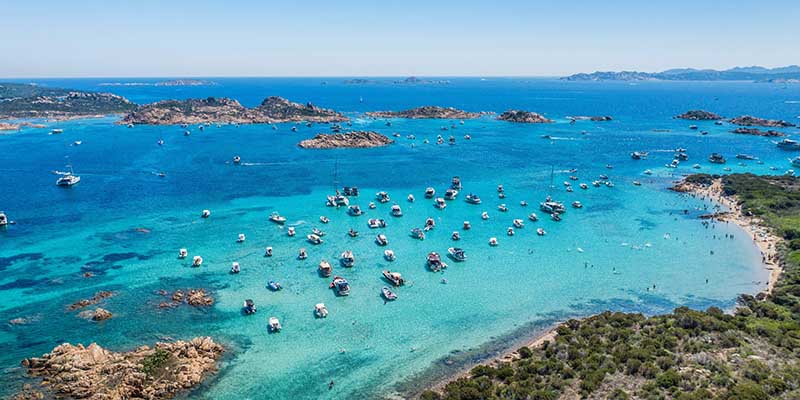
Find a Spiaggia Libera (free beach). Avoid the lidos that charge €20-€25 for an umbrella and two chairs. Look for signs reading “Spiaggia Libera.” Near Golfo Aranci, the beaches of White Beach and Cala Moresca are free, with shallow, crystal-clear water.
Hike the coastal trails. The trail from Golfo Aranci to Capo Figari is free and offers stunning views. You might even spot dolphins from the cliffs. In the interior, the Supramonte mountains have hiking routes that cost nothing except your energy.
Visit a nuraghe for free. These ancient stone towers, unique to Sardinia, are everywhere. Over 7,000 of them dot the landscape. While Su Nuraxi di Barumini (a UNESCO site) charges €13, many others sit unguarded in fields or forests. Keep your eyes open as you drive or walk—you’ll spot them.
Join the passeggiata. Every evening around sunset, locals take to the main streets of every town. In Alghero, that’s along the Bastioni; in Cagliari, it’s Via Roma. Walk slowly, stop for a gelato (€2.50), and soak in the rhythm of the island.
Quick Budget Tips: Know Before You Go
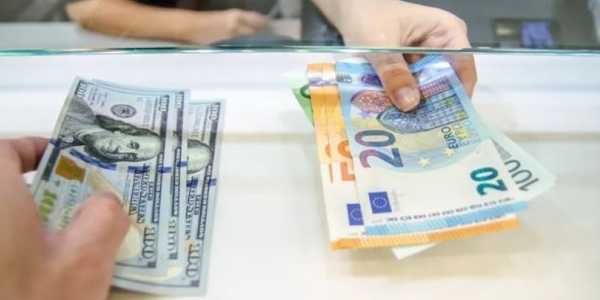
Cash is still useful. Most restaurants, supermarkets, and hotels take cards. But small market stalls, some bus drivers (especially on rural routes), and entry fees to minor sites often expect cash. Keep €40-60 in your pocket.
Dress for churches. Shoulders and knees should be covered if you enter a cathedral. Cagliari’s Duomo and Alghero’s cathedral will turn you away in a tank top. A light scarf saves the day.
Ferragosto alert. If you’re traveling around August 15th, be aware that many shops, restaurants, and even some bus services close for a day or two. Plan or lean on supermarket food.
Sunscreen is expensive on the island. Buy a bottle before you arrive or at a large supermarket outside tourist zones. The little beachside shops will charge double.
By mixing free beaches, public transport, agriturismo stays, and a steady diet of pizza al taglio and market picnics, you can easily shave 30-50% off a typical package holiday price. Sardinia’s real magic—the white sand, the turquoise water, the stone towers, the shepherds’ hospitality—doesn’t cost a cent to appreciate. You just have to show up at the right time and look in the right places.
Was this helpful? Share your thoughts
- Learned practical methods
- Solved my questions
- Inspired new ideas
Editor's Picks
-
![How to Plan a Multi-City Slow Travel Trip Without Burning Out]() How to Plan a Multi-City Slow Travel Trip Without Burning Out
How to Plan a Multi-City Slow Travel Trip Without Burning Out -
Plan a multi-city slow travel trip without burning out. Real advice on anchor cities, move days, budgets, and booking choices that keep long trips manageable.
Explore More

-
![Top Christmas Holiday Destinations For 2025: Trips You’ll Love]() Top Christmas Holiday Destinations For 2025: Trips You’ll Love
Top Christmas Holiday Destinations For 2025: Trips You’ll Love -
Have you ever noticed that Christmas holidays have a way of bringing out the traveller in all of us? Some people want to go to snowy cobblestone streets lined with Christmas markets. Then, others crave for sunshine and palm trees dressed in twinkling lights. Some families prefer to visit theme parks and Santa villages for their Christmas
Explore More

Don't Miss
Share This Article